If you’re just starting to explore the world of wine, welcome! We know if you aren’t a natural wine lover that the concept can feel intimidating. But, it can also be an exciting journey, one that we cannot wait to take you through. This guide will walk you through the basics, so you can confidently choose, pour, and enjoy your first glass of wine.
Understanding the Main Types of Wine
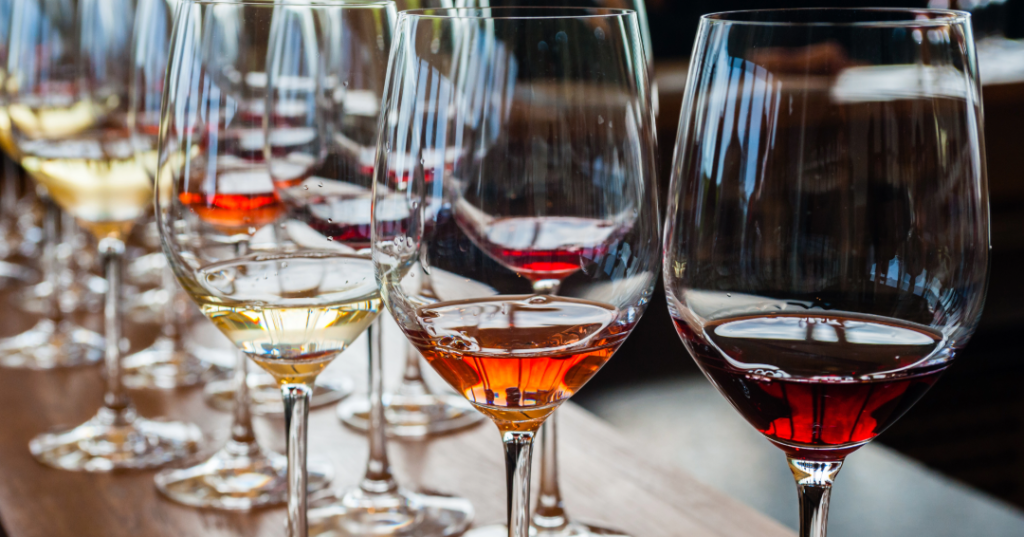
Wine comes in a variety of styles, but for beginners, it’s easiest to start with the basics: red, white, rosé, sparkling, and fortified wines.
- Red Wine: Made from dark-coloured grapes, red wine gets its colour and flavour from the grape skins. Common types include Shiraz, Cabernet Sauvignon, and Pinot Noir. Reds typically have bolder flavours and pair well with richer foods.
- White Wine: Produced from green or yellow grapes, white wine is generally lighter and crisper than red. Popular varieties include Chardonnay, Sauvignon Blanc, and Riesling. White wines are versatile and pair well with seafood, poultry, and lighter dishes.
- Rosé Wine: Made from red grapes with limited skin contact, rosé has a lovely pink hue. It’s light, refreshing, and often enjoyed chilled on a warm day.
- Sparkling Wine: Bubbly and celebratory, sparkling wines like Champagne and Prosecco are ideal for special occasions. These wines undergo a second fermentation to create their signature fizz.
- Fortified Wine: Wines like Port, Sherry, and Muscat are “fortified” with a distilled spirit, usually brandy. These wines are typically sweeter and have a higher alcohol content, perfect for sipping or pairing with dessert.
Choosing Your First Wine
When selecting your first wine, consider starting with something light and approachable. For reds, a Pinot Noir or a Grenache can be great entry points due to their softer tannins. For whites, a Sauvignon Blanc or a Pinot Grigio is often a safe bet for beginners due to their crisp and refreshing taste.
Wine Terminology
Now this wine guide doesn’t promise you to automatically start sounding like a wine connoisseur. But, it’s helpful to know a few key terms:
- Tannin: The astringent, slightly bitter taste in red wine, coming from grape skins, seeds, and stems.
- Body: Refers to the weight of the wine in your mouth. Light-bodied wines are like water; full-bodied wines feel more like milk.
- Dry vs. Sweet: A dry wine has little to no residual sugar, while sweet wines retain more sugar after fermentation.
How to Taste Wine
Wine tasting is an experience for all the senses, not just the taste buds. Start with the Guide to Tasting Wine.

Starting your wine journey is all about exploring and finding what you like. Don’t be afraid to ask for recommendations, experiment with different styles, and most importantly, have fun with it. Whether you’re sipping a Chardonnay on a summer afternoon or enjoying a Shiraz with dinner, there’s a wine out there for everyone (much to our despise, it may be a Moscato)
Happy tasting!