Tasting wine might seem intimidating at first, even a guide to wine tasting might feel intimidating, but it’s much easier than you think! You don’t need to be an expert or have a fancy vocabulary to enjoy wine tasting. Sometimes you’re out at a wine tasting event, or dinner, or just enjoying a glass at home, and you want to know the ropes instead of copying the people around you… No judgement, we all had to start somewhere. Here’s the ultimate unintimidating guide to tasting wine.
Step 1: Look at the Wine
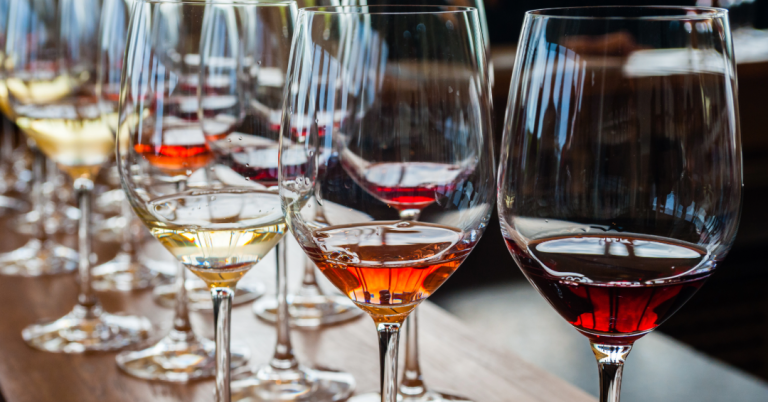
Start by holding your glass up to the light. Take a good look at the wine’s colour and clarity. Red wines can range from pale ruby to deep purple, while whites might go from pale yellow to a golden hue. This visual inspection can give you clues about the wine’s age, variety, and style. For example, a deep red might suggest a fuller-bodied wine, while a pale yellow wine could indicate a light, crisp style.
Step 2: Swirl the Wine
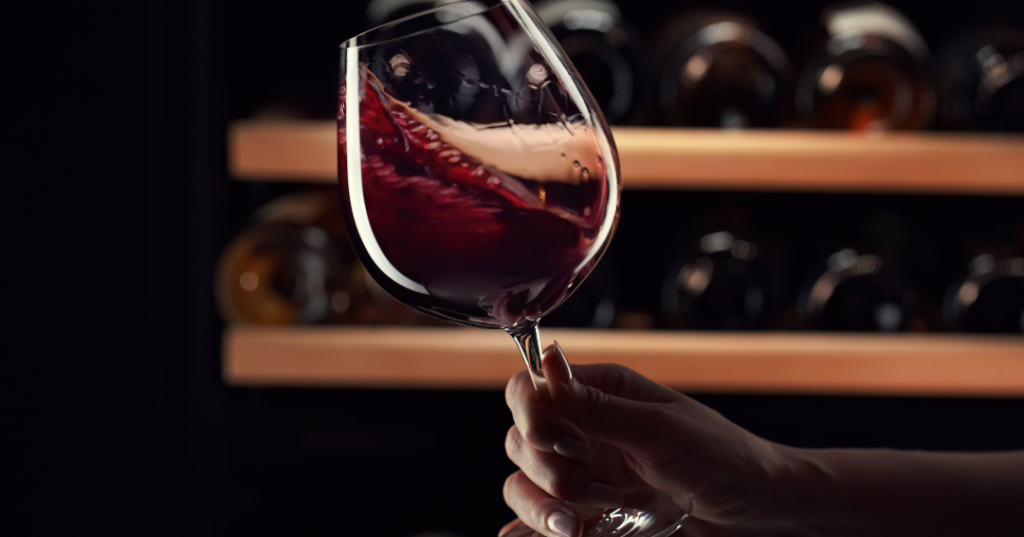
Next, gently swirl the wine in your glass. This might seem like a fancy trick that you see all those distinguished-looking people doing, but it’s actually important. Swirling aerates the wine, meaning it mixes with air, which helps release its aromas. If you’re new to swirling, place the glass on a flat surface and make small circular motions with the base.
Step 3: Smell the Wine
Now, take a good sniff. Bring the glass up to your nose and inhale deeply. What do you smell? Fruit, flowers, spices, maybe even something earthy? There’s no wrong answer here — just notice the different scents and see what stands out to you. Smelling the wine helps you identify its aromas and sets the stage for tasting. If you have no clue what you’re smelling, take a look at the bottle and read the tasting notes, these will get your nostrils started.
Step 4: Sip the Wine
Take a small sip and let it sit in your mouth for a moment. Try to notice the different flavours. Does it taste fruity, like berries or apples? Is there a hint of spice, vanilla, or oak? The wine’s flavour can be complex and in some cases completely subjective, so take your time and see what comes to mind… What comes to your mind, might be far from what someone else tastes, all our palates are different.
Step 5: Savour the Wine
Finally, swallow (or spit, if you’re at a tasting event). Notice the wine’s finish — does the flavour linger or disappear quickly? A longer finish often means a higher-quality wine. Pay attention to how the wine feels in your mouth too. Is it light and refreshing or full and rich?
Pro Tips for Beginners
- Don’t Worry About Getting It “Right”: There’s no right or wrong answer in wine tasting. Everyone’s palate is different, so trust your own taste.
- Start Simple: Begin with lighter wines like a Sauvignon Blanc or Pinot Noir, which are generally easier for beginners to enjoy.
- Take Notes: Jot down what you liked or didn’t like about each wine. It’s a great way to remember your favourites and learn more about your personal taste preferences.
- Stay Hydrated and Snack Smart: Water and neutral snacks like crackers can help cleanse your palate between tastings, so each wine tastes fresh.
Wine tasting is all about having fun and discovering new flavours. So relax, take your time, and enjoy the experience. With a little practice, you’ll feel more comfortable identifying what you like and finding wines that suit your palate. Cheers to tasting wine with confidence!