September to November
Spring in Australian vineyards is a time of promise and preparation, where meticulous care and thoughtful management lay the groundwork for a successful harvest. As we gear up for the season ahead, it’s an exciting time filled with anticipation.
Let’s take a peek into what goes on during this lively period of the year!
IN THE VINEYARD
These are the many tasks of a vineyard manager or viticulturist during the spring season.
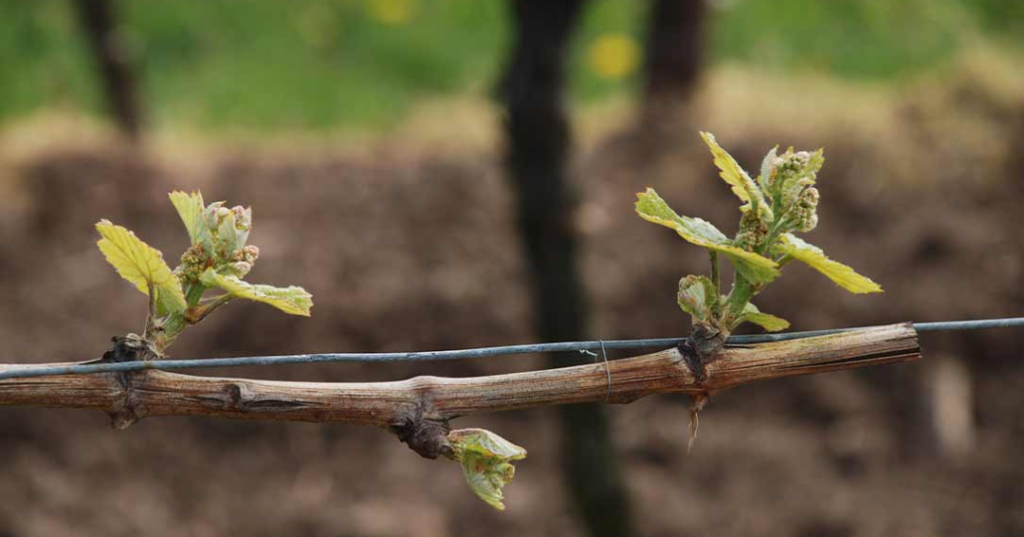
Budburst:
Budburst is the first visible sign of spring in the vineyard. It’s an exciting time when buds on the grapevines swell and burst open, signalling the start of the growing season. Here’s what happens during this transformative period:
- Monitoring and Care: Viticulturists closely monitor budburst, ensuring that the young shoots are protected from late frosts, pests, and diseases.
- Shoot Thinning: As shoots grow, thinning may be necessary to regulate vine vigor and ensure optimal fruit development. This helps concentrate the vine’s energy on producing high-quality grapes.
Canopy management:
Canopy management, as discussed in the summer season (link) becomes crucial in spring as vines grow rapidly and foliage thickens:
- Leaf Plucking: Removing excessive leaves around the grape clusters improves air circulation and sunlight exposure. This reduces the risk of fungal diseases and promotes even ripening of the grapes.
- Shoot Positioning: Training shoots onto trellises ensures they are positioned for maximum sunlight exposure, which is essential for photosynthesis and grape ripening.

Vine Nutrition and Irrigation:
Spring is a time to ensure vines receive adequate nutrition and water. Vine nutrition and irrigation are crucial for ensuring healthy grapevine growth, fruit development, and optimal wine quality.
- Nutrient Monitoring: Soil and leaf analysis help determine if additional nutrients are needed to support vine growth and fruit development.
- Irrigation Management: Adjusting irrigation schedules based on weather conditions ensures vines receive optimal water without excessive stress or waterlogging.

BEST VARIETIES FOR SPRING
Springtime in Australia’s wine regions brings a burst of energy and flavour to vineyards across the country. As the vines awaken and new growth emerges, it’s the perfect season to discover some of Australia’s most beloved wine varieties. Here are some of the best varieties and their ideal growing conditions:
Sauvignon Blanc:
Regions: Adelaide Hills, Margaret River, Tasmania
Growing Conditions: Sauvignon Blanc thrives in cooler climates with sunny days and cool nights. Regions like Adelaide Hills and Tasmania offer ideal conditions, allowing the grapes to develop crisp acidity, vibrant citrus flavours, and herbaceous notes that characterise this refreshing white wine.
Pinot Noir:
Regions: Yarra Valley, Tasmania, Mornington Peninsula
Growing Conditions: Pinot Noir loves the cooler spring temperatures of regions like Yarra Valley and Tasmania. These conditions promote slow, even ripening, enhancing the grape’s delicate flavours of red berries, earthy undertones, and silky texture.
Chardonnay:
Regions: Margaret River, Adelaide Hills, Hunter Valley
Growing Conditions: Chardonnay excels in regions with moderate spring climates. Margaret River and Adelaide Hills provide optimal conditions for this versatile grape, resulting in wines with crisp acidity, vibrant fruit flavours of apple and citrus, and subtle oak influences.
Merlot:
Regions: Coonawarra, Margaret River, Barossa Valley
Growing Conditions: Merlot benefits from the moderate spring temperatures of regions like Margaret River and Barossa Valley. These conditions allow the grape to achieve optimal ripeness, resulting in wines with soft tannins, ripe plum flavours, and a velvety texture that makes it a favourite among red wine enthusiasts.
Riesling:
Regions: Clare Valley, Eden Valley, Great Southern
Growing Conditions: Riesling thrives in cool spring climates with well-drained soils. Regions such as Clare Valley and Eden Valley provide these conditions, allowing Riesling to develop vibrant acidity, zesty citrus flavours, and floral aromatics that make it a refreshing choice for springtime sipping.