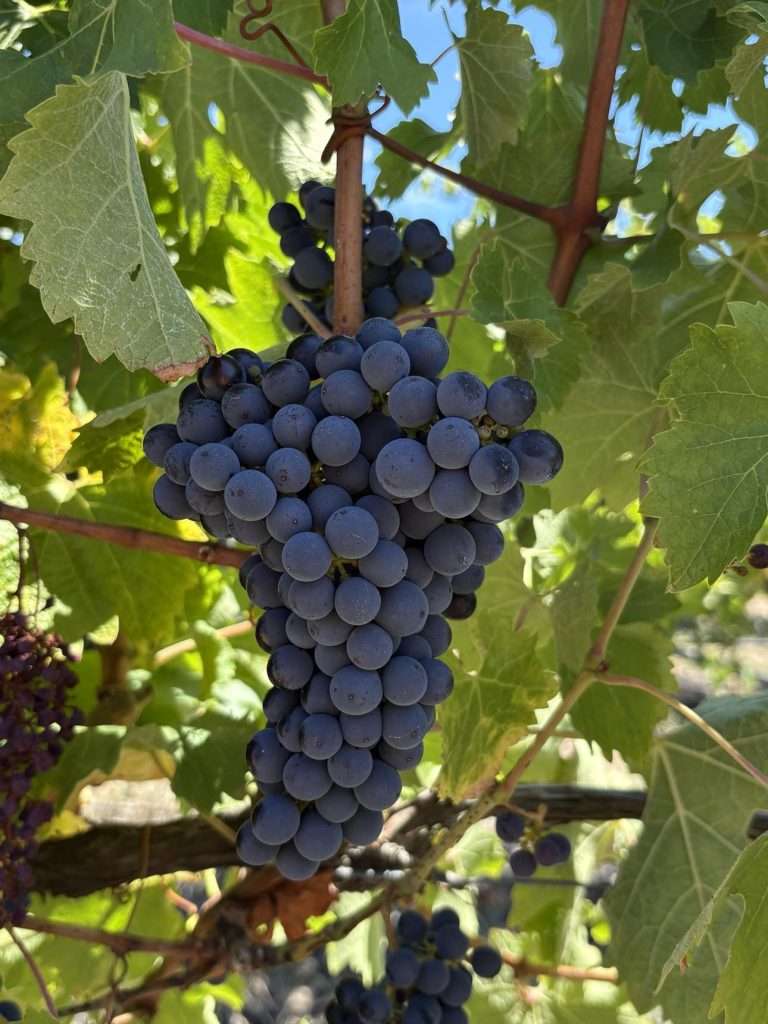
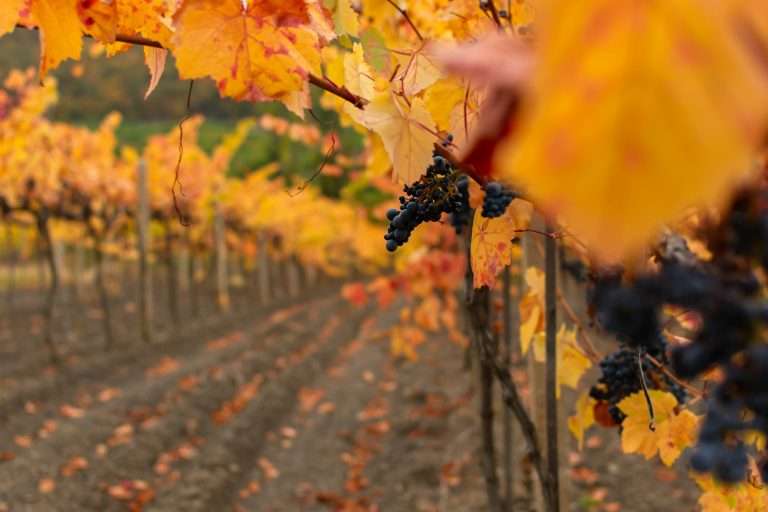
Harvest season in Australia is the most exciting time of the year for winemakers and wine enthusiasts alike – and us! It marks the culmination of a year’s worth of hard work in the vineyards, where grapes reach their peak ripeness and are carefully picked to begin their transformation into wine (the good stuff that we sell). But what exactly is harvest season, and why is it so important?
What is harvest season?
Harvest season, often referred to as “vintage” in the wine industry, is the period when grapes are picked from the vines. In Australia, harvest season typically occurs from late January through April, depending on the region and grape variety. The timing is vital, as grapes must be harvested at their optimal ripeness to ensure the best possible wine quality. Factors like sugar content, acidity, and tannin levels are carefully monitored to determine the perfect time to harvest.
The process of harvesting
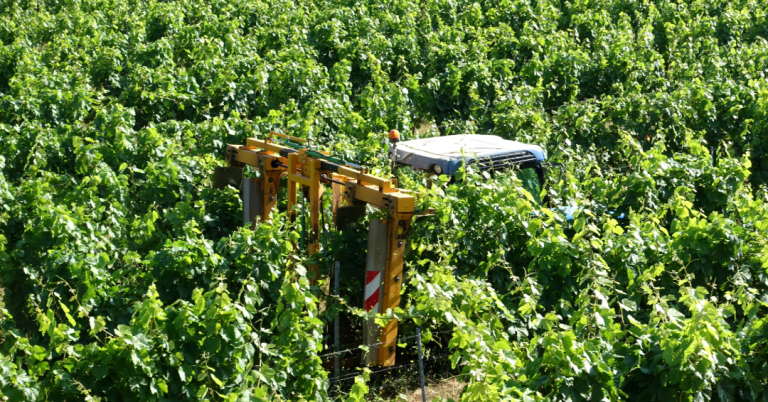
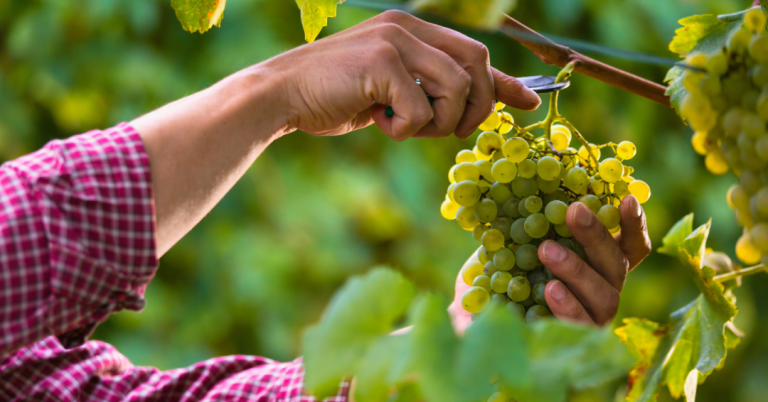
The process of harvesting is a blend of art (and a bit of science too). Winemakers decide the exact timing based on several factors, including weather conditions, grape variety, and the style of wine they aim to produce. In cooler regions like Tasmania and the Yarra Valley, harvest may occur later than in warmer areas such as the Barossa Valley or McLaren Vale. Once the decision is made, the grapes are pruned either by hand or machine.
Why harvest season matters
Harvest season is critical because it directly influences the quality and characteristics of the wine, including the taste, aroma, and aging potential. When we are speaking about wine, these things are vital, below outlines the significance.
- Timing – This can affect the balance of sugars and acids in the grapes.
- Weather – Run, frost or extreme heat must be mitigated.
- Ripeness – This influences the style of wine, from light and crisp to rich and full bodied.
- Supply – Harvest influences when wines are release, affecting supply and demand.
- Economy – A successful harvest is vital for the longevity of wine businesses.