June to August
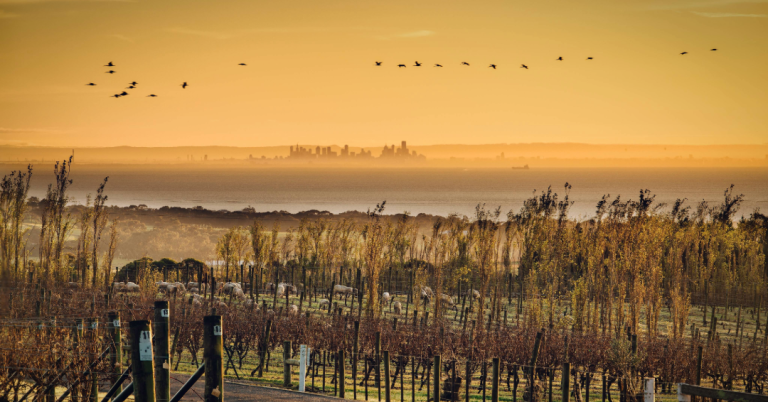
Winter in Australia’s vineyards may seem like a time of dormancy, but it is a crucial season that lays the foundation for the year ahead. As winemakers and viticulturists, we embrace this quieter time to ensure our vines are primed for the coming growing season.
Join us as we delve into the intricacies of winter viticulture, exploring the tasks, conditions, and insights that shape our approach.
IN THE VINEYARD
These are the many tasks of a vineyard manager or viticulturist during the winter season.
Pruning:
Winter pruning is the cornerstone of vineyard management during this season. Here’s why it’s essential:
- Timing: Pruning typically begins in June and continues through August, varying slightly depending on the region and grape variety. It’s crucial to prune before the buds burst in spring to control vine vigor and yield.
- Techniques: Skilled pruners meticulously select which canes to keep and which to cut, based on factors like vine health, fruitfulness, and desired vine structure. This careful selection influences the quality and quantity of the upcoming grape crop.
- Tools of the Trade: Pruning shears, loppers, and sometimes saws are used to carefully trim the vines. Each vineyard worker learns to prune according to the specific characteristics of the grape variety and the vine’s growth habits.

Soil management:
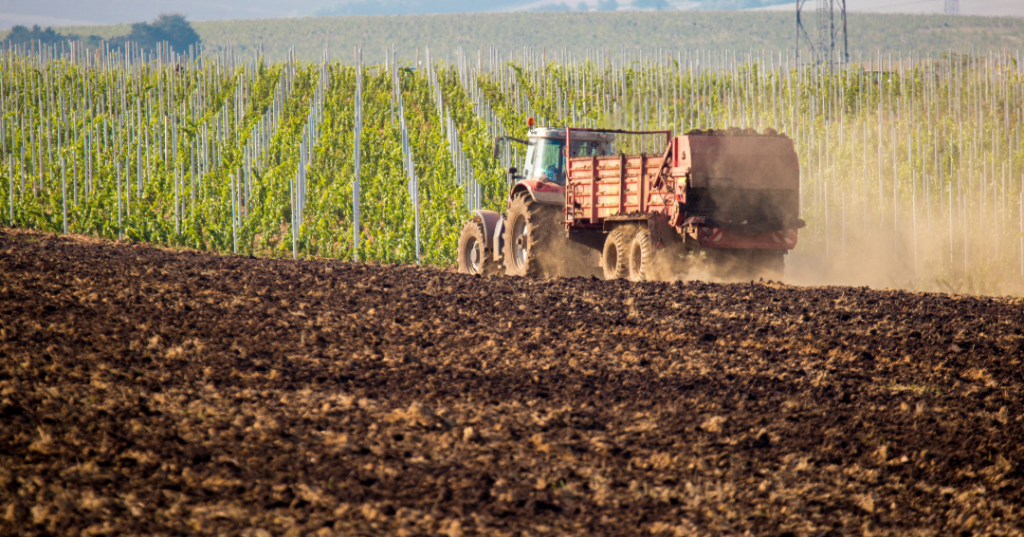
Winter provides an opportunity to focus on soil health, preparing it for the demands of the growing season:
- Compost and Cover Crops: Adding organic compost enriches the soil, providing essential nutrients and improving its structure. Cover crops, such as legumes and grasses, help prevent erosion, fix nitrogen, and add organic matter.
- Erosion Control: In hilly vineyards, erosion control measures like contour plowing or planting grass strips can mitigate soil loss during heavy rains.
- Vineyard Floor Management: Keeping the vineyard floor clean and free from weeds reduces competition for water and nutrients, benefiting the grapevines.
Maintenance and preparation:
Winter is also a time for maintenance and planning, ensuring everything is ready for the busy seasons ahead:
- Equipment Maintenance: Tractors, pruning tools, and irrigation systems are serviced and repaired to ensure they operate smoothly when needed.
- Trellis and Infrastructure Checks: Inspecting trellis systems and infrastructure (such as posts and wires) ensures they are sturdy and ready to support the vines.
- Planning and Budgeting: Viticulturists use winter to review the previous year’s performance, plan for the upcoming growing season, and set budgets for vineyard operations.
BEST VARIETIES FOR WINTER
As winter blankets Australia’s vineyards, these distinctive wine varieties thrive under the careful stewardship of viticulturists and winemakers. Each glass tells a story of the region’s unique terroir, the cool winter climate, and the dedication to crafting wines of exceptional quality and character. Here are some of the best varieties and their ideal growing conditions:
Shiraz:
Regions: Barossa Valley and McLaren Vale in South Australia. Hunter Valley in New South Wales.
Growing Conditions: Shiraz thrives in Australia’s diverse climates, from the warmer regions like Barossa Valley to the cooler climate of Hunter Valley. Winter conditions help balance vine growth, resulting in wines with bold flavors of dark fruits, spice, and a distinctive peppery finish.
Cabernet Sauvignon:
Regions: Coonawarra in South Australia, Margaret River in Western Australia, Yarra Valley in Victoria.
Growing Conditions: Cabernet Sauvignon benefits from the cooler winter temperatures of regions like Margaret River and Yarra Valley. Winter pruning helps control vine vigor and enhances the grape’s natural structure. The resulting wines are known for their deep color, rich tannins, and flavors of blackcurrant, mint, and cedar.
Chardonnay:
Regions: Adelaide Hills in South Australia, Tasmania, Mornington Peninsula in Victoria
Growing Conditions: Chardonnay thrives in cooler climates, making regions like Adelaide Hills and Tasmania ideal. Winter pruning shapes the vine for optimal fruit exposure and flavor development. These wines exhibit crisp acidity, vibrant fruit flavors, and complex notes of citrus, stone fruit, and subtle oak.
Pinot Noir:
Regions: Yarra Valley and Mornington Peninsula in Victoria
Growing Conditions: Pinot Noir flourishes in cool to moderate climates, with regions like Yarra Valley and Tasmania providing ideal conditions. Winter’s cool temperatures contribute to slow, even ripening, enhancing the grape’s delicate flavors of red berries, earthy notes, and silky texture.
Riesling:
Regions: Clare Valley, Eden Valley, Great Southern in South Australia, Bellarine Peninsula in Victoria
Growing Conditions: Riesling thrives in cooler climates with well-drained soils, making regions like Clare Valley and Eden Valley perfect. Winter pruning helps maintain vine balance and acidity levels. These wines are celebrated for their vibrant acidity, zesty citrus flavors, and floral aromatics.