December to February
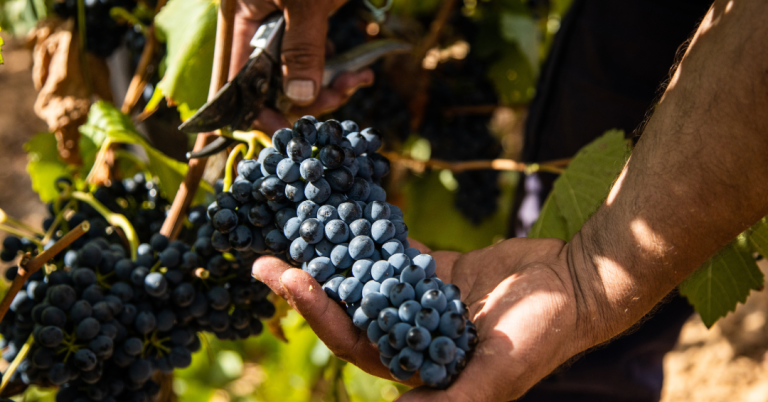
Summer in Australia is when vineyards really come alive. The lush, green vines are hard at work turning sunlight into energy for grape growth. It’s a crucial time that sets up the upcoming harvest, with warm, sunny days perfect for grapes but also needing careful management to keep everything on track.
Let’s dive into what happens in the vineyard during summer, including some handy tips and tricks, plus a look at the best grape varieties for the season and their ideal growing conditions.
IN THE VINEYARD
These are the many tasks of a vineyard manager or viticulturist during the summer season.
Canopy Management:
Canopy management is the practice of strategically arranging and maintaining the leaves, shoots, and grape clusters of a grapevine to optimise sunlight exposure, air circulation, and overall vine health. This take undertaken by vineyard managers is to help reduce the risk of disease.
They do this by:
- Shoot Positioning: Arranging shoots of vines to avoid overcrowding.
- Leaf Removal: Removing leaves around grape clusters to increase sun exposure and air flow.
- Topping: Cutting the tops of the shoots to manage vine growth and improve fruit quality.

Irrigation and Water Management:
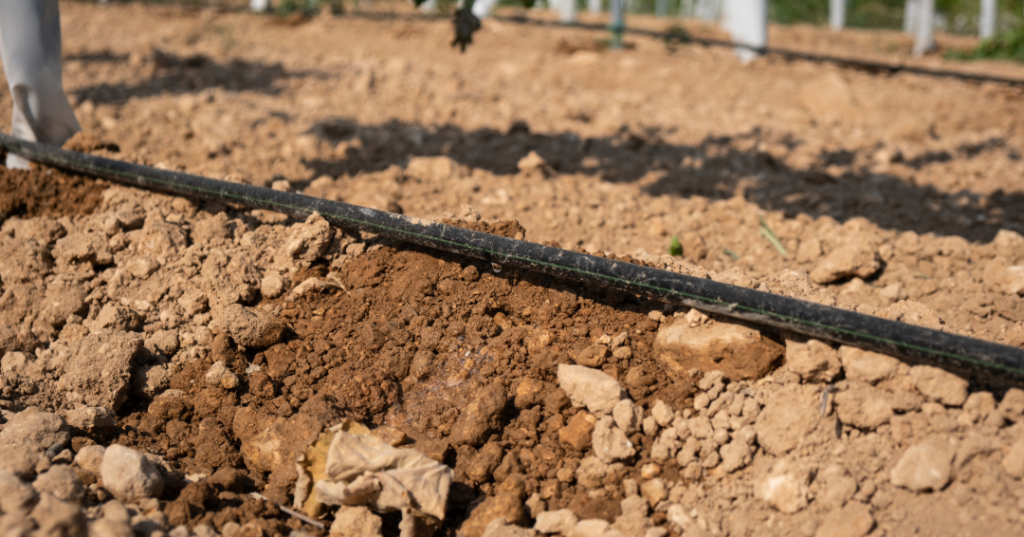
Irrigation and water management in vineyards is the strategic application of water to grapevines to ensure they receive adequate hydration throughout the growing season, especially during dry periods. It is essential during the dry Australian summer to prevent water stress in vines.
They do this by:
- Drip Irrigation: Delivers water directly to the root zone, conserving water and ensuring even distribution.
- Mulching: Helps retain soil moisture and regulates soil temperature.
Pest and Disease Control:
Pest and disease control in vineyards means keeping bugs and diseases at bay using things like organic sprays, helpful insects, and netting. It’s super important in the Australian summer as the warm weather can make these problems worse, putting the health of the vines and the quality of the grapes at risk.
Common Pests:
- Moths
- Mites
- Birds.
Control Methods:
- Organic Sprays: Using sulfur and copper-based sprays to manage fungal diseases.
- Natural Predators: Introducing beneficial insects to control pests.
- Netting: Protects grapes from birds and other wildlife.

Monitoring and Managing Vine Health:
Monitoring vine health in summer in Australia is crucial to catch and address issues early, ensuring the vines receive the right care to thrive under the hot, often challenging conditions. This proactive approach helps maintain grape quality and supports a successful harvest.
They do this by:
- Regular Inspections: Frequent checks for signs of disease, pest infestations, and water stress.
- Soil Testing: Ensures optimal nutrient levels and soil health.
- Weather Tracking: Monitoring weather forecasts to anticipate and mitigate risks such as heatwaves or sudden rain.
BEST VARIETIES FOR SUMMER
Different grape varieties thrive in the summer conditions of various Australian regions. Here are some of the best varieties and their ideal growing conditions:
Shiraz:
Regions: Barossa Valley, McLaren Vale in South Australia.
Growing Conditions: Prefers warm, dry climates. Benefits from good sun exposure and well-drained soils.
Chardonnay:
Regions: Margaret River in Western Australia and Yarra Valley in Victoria.
Growing Conditions: Thrives in cooler regions with good sun exposure. Requires careful canopy management to avoid sunburn on grapes.
Cabernet Sauvignon:
Regions: Coonawarra in South Australia and Margaret River in Western Australia.
Growing Conditions: Prefers warm climates with long growing seasons. Needs well-drained soils and moderate water supply.
Sauvignon Blanc:
Regions: Adelaide Hills in South Australia and Margaret River in Western Australia.
Growing Conditions: Likes cooler climates with good airflow. Sensitive to excessive heat and requires balanced irrigation.