When it comes to crafting exceptional wine, the process starts long before the grapes reach your glass. One of the most critical steps in viticulture is pruning the grapevines. This practice, which has been honed over centuries, is essential for ensuring that the vines produce the highest quality grapes. It’s not as simple at ‘see grape, pick grape’, there are actually various methods to picking. All methods in which have a different impact on the life of the vine, and ultimately, the wine you sip.
Let’s dive into the different techniques.
1. Spur Pruning
Spur pruning is the go-to method for many Australian vineyards, particularly those growing varieties like Shiraz and Cabernet Sauvignon. This hands-on technique involves cutting back most of the previous year’s growth, leaving only a few “spurs” on each vine. These short spurs will then produce new budbursts in the following season. Vines pruned this way tend to be more uniform, which makes for easier vineyard management and often results in a more balanced crop.

2. Cane Pruning
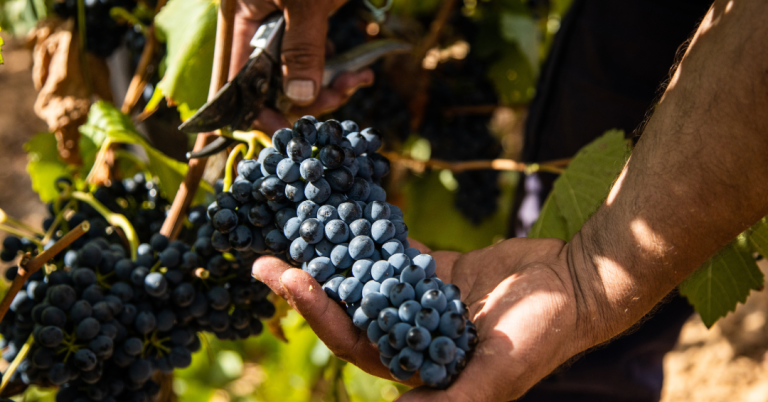
Cane pruning is a bit more labour intensive but can be particularly beneficial for certain grape varieties, such as Pinot Noir and Chardonnay. In this method, instead of leaving short spurs, the pruner hand-selects one or two longer canes from the previous year’s growth. These canes are then tied to a trellis to guide the direction of the new shoots. Cane pruning allows for more control over the number of buds left on the vine, which can influence the yield and quality of the fruit. This method is favoured in cooler climates, as it can help reduce the risk of frost damage by directing growth away from the ground.

3. Machine Pruning
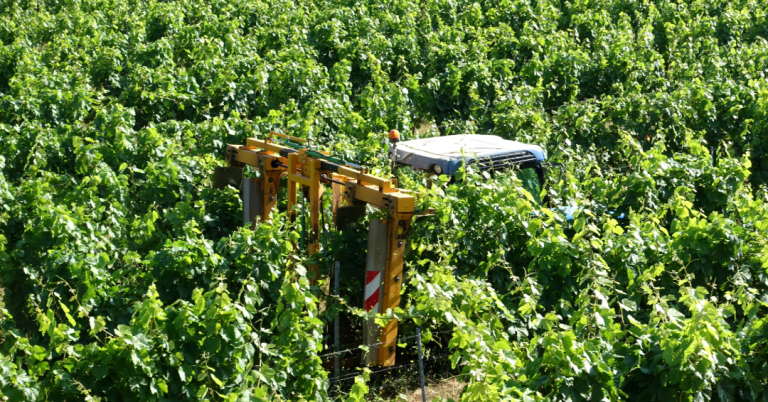
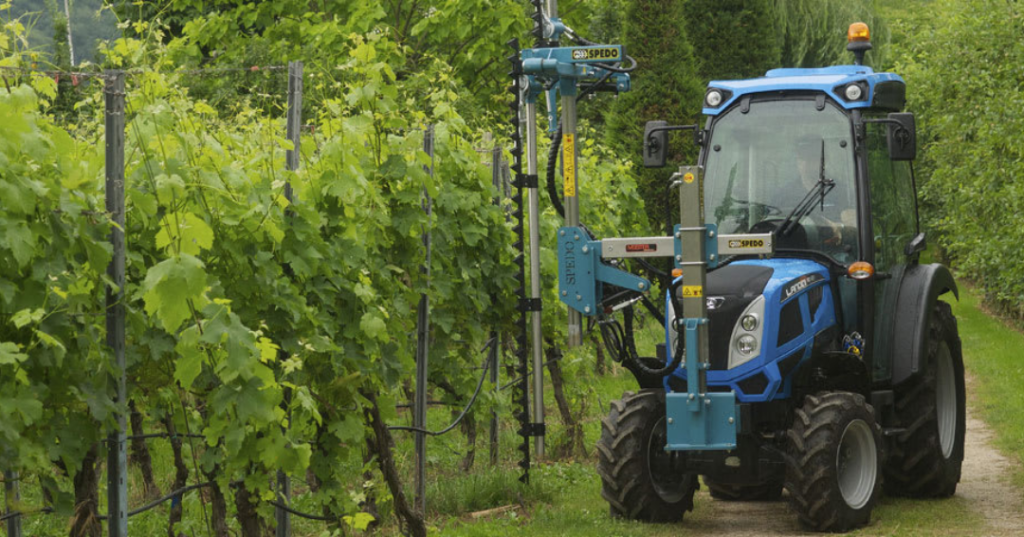
As the name suggests, machine pruning involves the use of mechanical equipment to trim the vines. While it’s less precise than hand pruning, this method is often employed by larger vineyards looking to manage vast amounts of land efficiently. Additionally, it can be used in conjunction with other methods, like spur, to maintain vine health and productivity. Although it’s a cost-effective solution, it may not offer the same level of quality control as hand pruning methods. Find out more the differences between the both here.
4. Head Pruning (or Bush Vines)
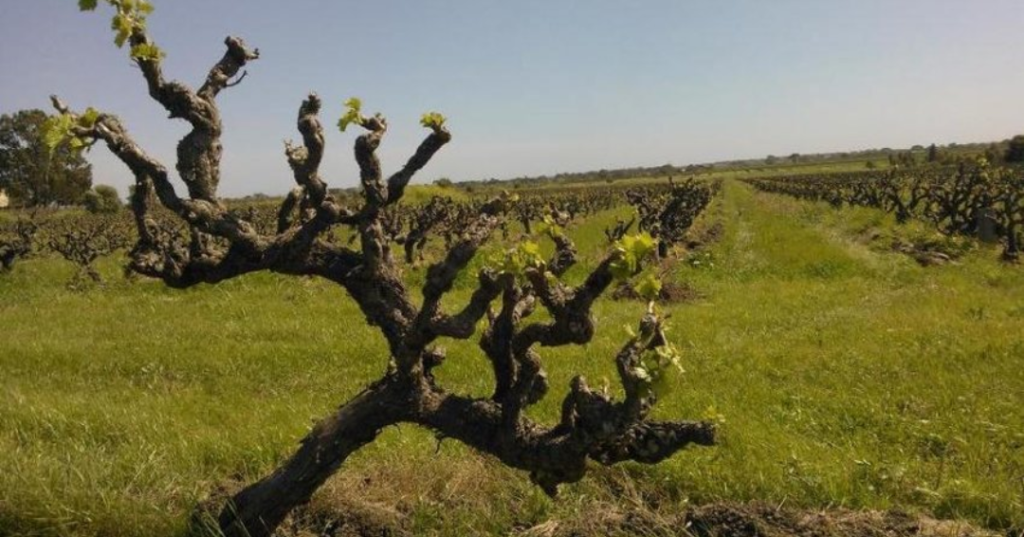
Head pruning is a traditional method where vines are pruned to grow as free-standing bushes without the support of a trellis. This technique is often seen in older vineyards, particularly in regions with hot, dry climates like South Australia. They require less maintenance and are well-suited to drought conditions, as their growth is regulated by the availability of water. Therefore resulting in more concentrated and robust wines, reflecting the vine’s struggle in harsher conditions.
The Right Method for the Right Vine
Choosing the right pruning method is a balancing act between the grape variety, climate, and desired wine style. For Australian vineyards, this decision is influenced by our unique terroirs, ranging from the cool climates of Tasmania to the sun-drenched Barossa Valley. Each method has its place, and skilled viticulturists know how to adapt their techniques to coax the best out of their vines.