To train grapevines is more than a task – there’s an art to it, but it’s also about keeping things in line to get the best performance. If you want your vines to produce the juiciest grapes, you’ve got to give them the right direction (literally) and a little TLC along the way.
Whether you’re nurturing a small backyard vineyard or managing rows of vines in a commercial setting, here’s a few tips!
Establish a solid framework
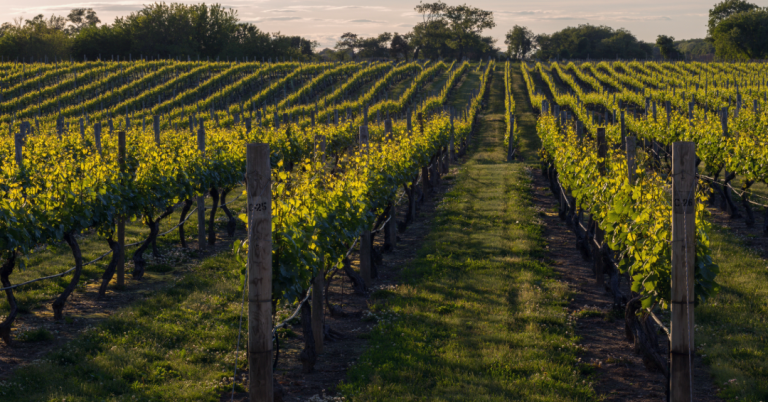
The foundation of successful vine training begins with selecting the appropriate trellis system. This decision influences the vine’s exposure to sunlight and airflow, which are critical for healthy growth. Whether you go for the classic vertical shoot positioning (VSP) or something more creative like a goblet shape, it’s all about ensuring your vines get plenty of sunlight and air circulation. This keeps them healthy and cuts down on disease.
Pruning: The Art of the Snip
Pruning is where the artistry of vine training really comes into play. You want to encourage your vines to put their energy into producing fruit, not just a tangle of leaves. Here’s how:
- Prune in winter: Do this when the vines are dormant.
- Cut back last year’s growth: Leave just a few buds on each cane.
- Focus on the future: These buds are your future grape clusters, so treat them with care!
Guide the Growth
As your vines start to grow, you’ll need to guide their direction. This is where your trellis system comes into play:
- Regularly tie the shoots: Keep them following the framework you’ve set up.
- Ensure even sunlight: Training the vines helps them all get their fair share of sunlight.
- Prevent tangles: Proper guidance keeps the vines from becoming a messy knot.
Patience Pays Off
Vine training isn’t a one-and-done task. It is a commitment, season after season. Here’s what to remember:
- Consistency is key: Keep up with guiding, snipping, and caring.
- Long-term rewards: With the right care, your vines will reward you with a bountiful harvest.
So, whether you’re nurturing a small backyard vineyard or managing rows of vines in a commercial setting, remember to train grapevines, they are the key to producing the best grapes.