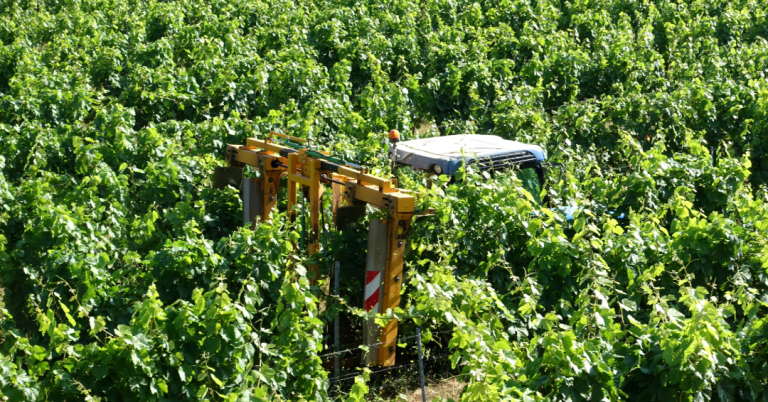
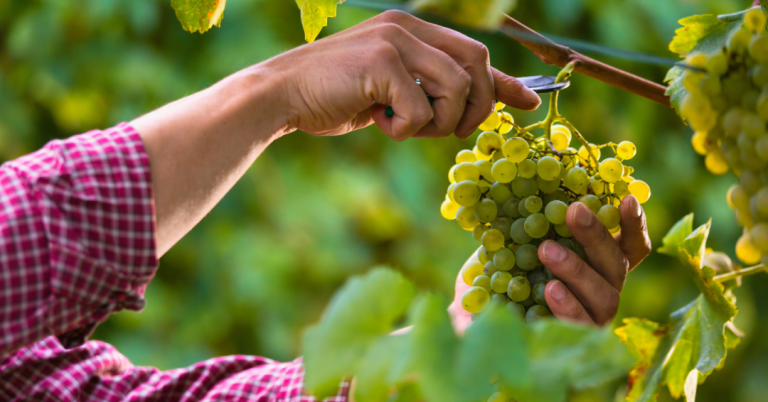
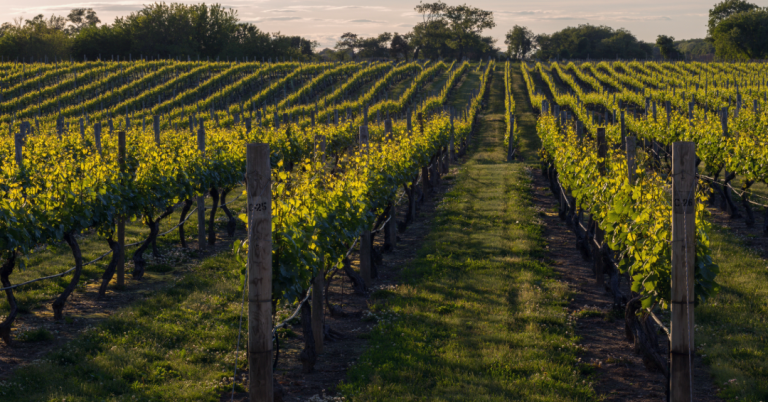
When you think of how a great wine is made, you probably imagine sun-kissed vineyards, juicy grapes, and maybe even the artistry of the winemaker. But there’s a crucial, often overlooked ingredient that plays a huge role in creating that perfect bottle of wine: soil. Yes, soil health is absolutely vital in viticulture, and understanding why can give you a deeper appreciation of the wine you love.
Why it matters
Soil is more than just dirt (mindblowing, we know). It’s a complex ecosystem full of life and nutrients that our grapevines need to thrive. The health of the soil affects everything from the strength of the vines to the flavor of the grapes. Healthy soil provides the essential nutrients and water that grapevines need, and it also helps protect them against common pests and diseases.
Key elements of healthy soil
1. Nutrient content
Just like us, grapevines need a balanced diet. Healthy soil is rich in essential nutrients like nitrogen, phosphorus, potassium, and a variety of micronutrients. These nutrients support the growth of strong, healthy vines that can produce high-quality grapes for picking!
2. Soil structure
Good soil structure means that the soil has a balance of sand, silt, and clay, creating spaces for air and water to move through. This ensures that the roots get enough oxygen and can easily access the water they need. Well-structured soil also helps with drainage, preventing water from pooling around the roots and causing rot.
3. Microbial activity
Healthy soil is alive with microorganisms like bacteria, fungi, and earthworms. These tiny creatures break down organic matter, making nutrients more available to the vines. They also help improve soil structure and can even protect vines from harmful pathogens.
Benefits of healthy soil in viticulture
1. Improved Vine Health
Vines growing in healthy soil are more resilient and less susceptible to pests and diseases. They can better withstand environmental stresses like drought or heavy rains, ensuring a consistent and reliable harvest.
2. Better Grape Quality
The nutrients and minerals in the soil contribute to the flavor profile of the grapes. Healthy soil helps produce grapes with balanced acidity, sugar levels, and complex flavors, leading to better wine.
3. Sustainable Farming
Maintaining healthy soil is key to sustainable viticulture. Healthy soil reduces the need for chemical fertilizers and pesticides, promoting a more natural and environmentally friendly approach to farming.
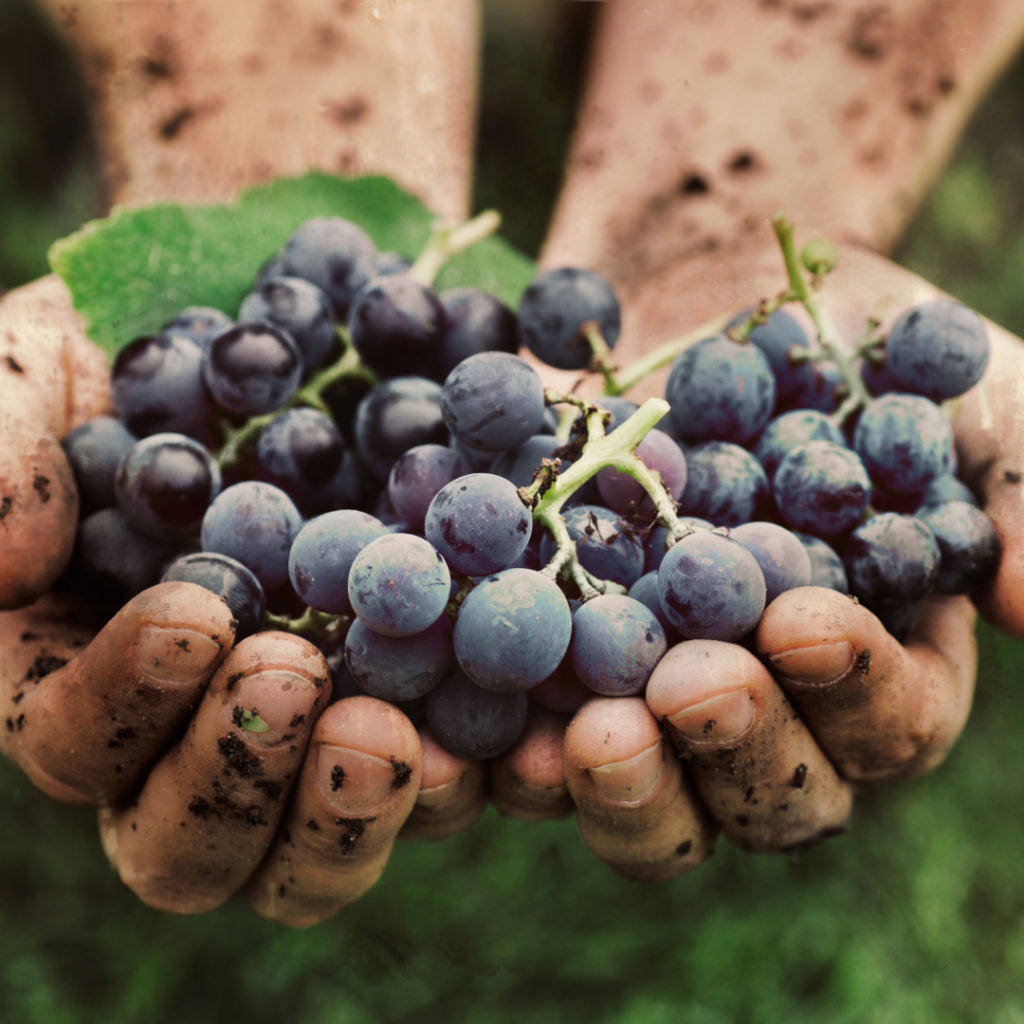
How winemakers maintain soil health
Winemakers use a variety of practices to keep their soil healthy:
- Cover Cropping: Planting cover crops like clover or grasses between the vine rows helps prevent soil erosion, adds organic matter, and improves soil structure.
- Composting: Adding compost to the soil boosts nutrient content and microbial activity.
- Minimal Tillage: Reducing the amount of tilling helps maintain soil structure and protect beneficial microorganisms.
- Crop Rotation: Rotating different crops helps prevent soil depletion and disrupts pest and disease cycles.
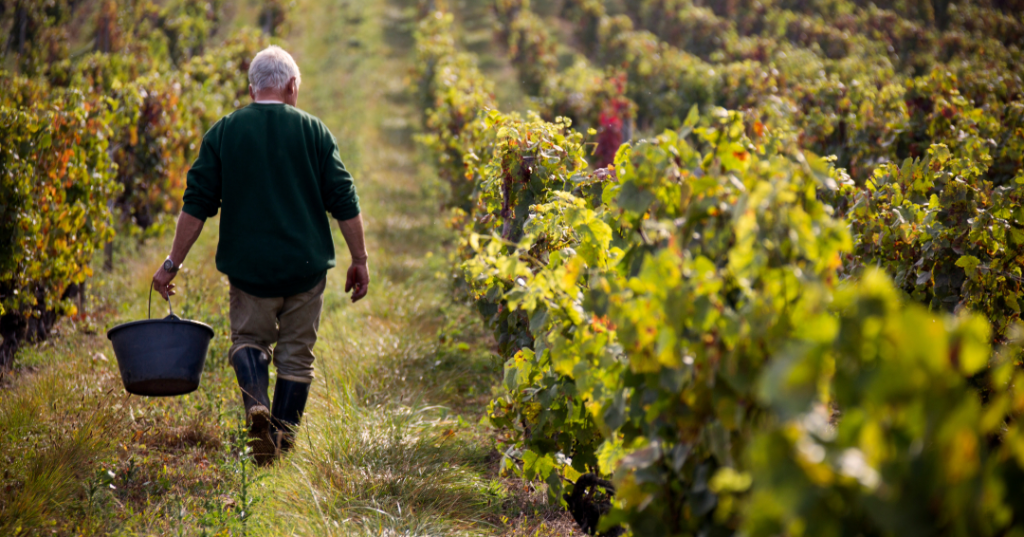
Soil health might not be the first thing you think about when you pour a glass of wine, but it plays a crucial role in the journey from vine to bottle. Healthy soil leads to healthy vines, which in turn produce the high-quality grapes needed for exceptional wine.
So next time you enjoy a delicious glass of your favourite vintage, remember that it all starts from the ground up.