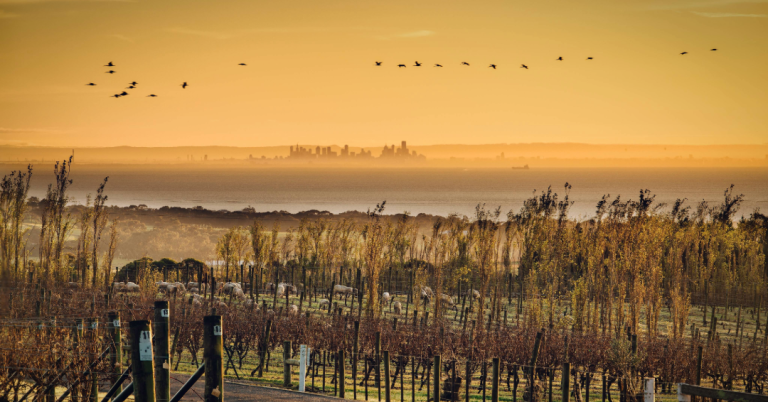
Climate change is having a significant impact on many aspects of our lives, including the world of wine. The winemaker we spoke with in the Bellarine Peninsula explained, the way grapes are grown—and how wines taste—are both being affected by the changing climate. Here’s how:
Climate Change and Grape Growing
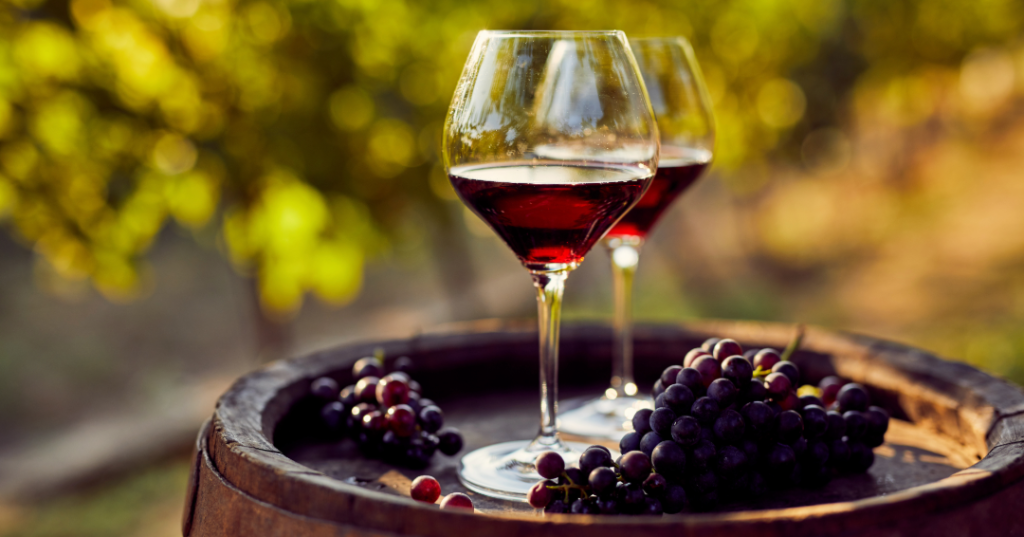
For decades, winemakers have noticed subtle changes in the taste and quality of their wines, which can be directly linked to shifting climate patterns. The reason for this lies in the specific temperature ranges that different grape varieties need to thrive. Some grapes, like Pinot Noir, require a narrow temperature range to produce their best wine, making them particularly sensitive to climate change. However, Shiraz, can adapt to a wider range of temperatures, making them more resilient.
- Pinot Noir: Needs a specific, narrow temperature range to thrive, making it vulnerable to warming trends.
- Shiraz: More adaptable, with a broader temperature band that allows it to flourish in various conditions.
A Gradual Shift in Wine Regions
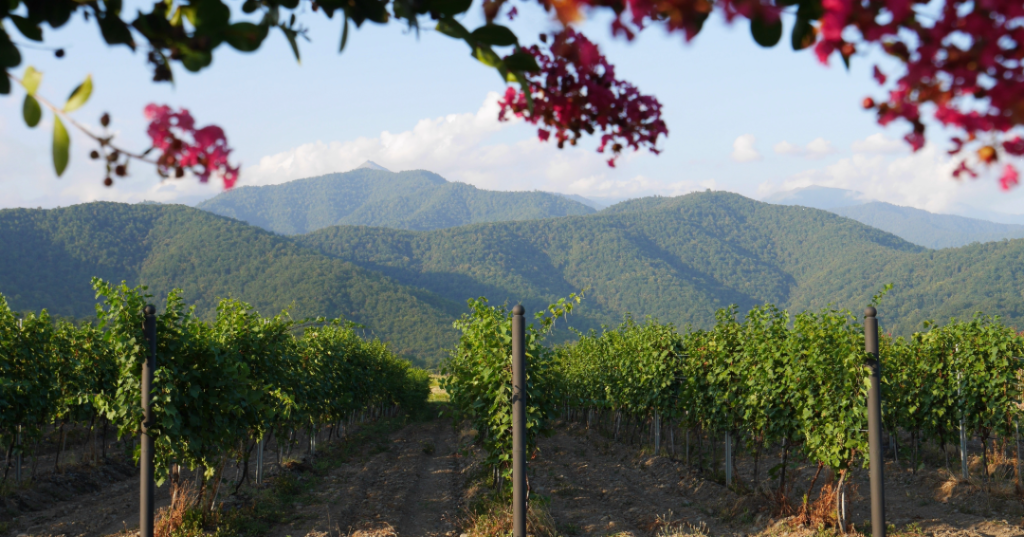
As global temperatures rise, we may see a gradual shift in the types of grapes grown in different regions. Areas known for specific varieties might begin experimenting with different grapes that are better suited to new climatic conditions. This change won’t happen overnight but will likely unfold over generations, leading to a significant transformation in the varietal mix of wine regions worldwide. Moreover, how wine regions vary is an interesting concept. See how these two Victorian regions 30km from each other differ here.
The Evolving Relationship Between Food and Wine
As our food preferences change, so too will the wines we enjoy. The relationship between food and wine is always evolving, influenced by cultural trends, culinary innovations, and the changing climate. Wines that are popular today might not hold the same appeal in the coming decades. This can be attributed to both our palates and the climate evolving.
In conclusion, while the impacts of climate change on wine may seem gradual, they are already happening. Many winemakers are adapting to these changes, preparing for a future where flexibility is key. The wines we enjoy today are a product of their environment, and as that environment changes, so too will the wines of tomorrow.