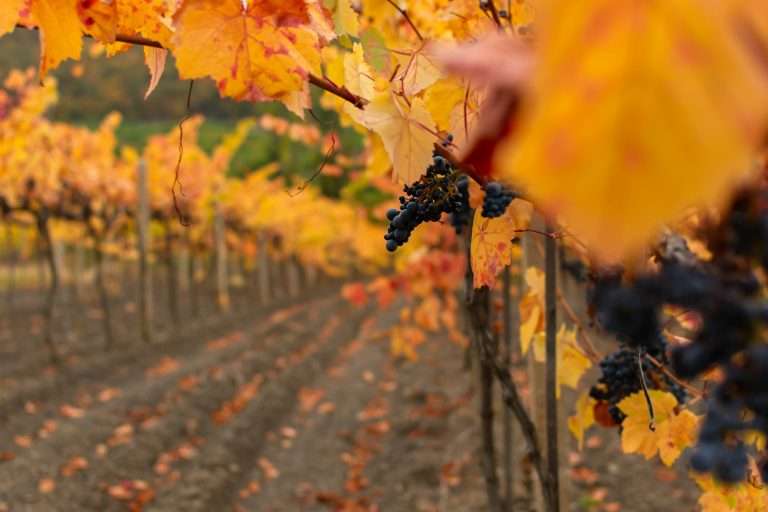
When it comes to producing exceptional wine (the only kind to make in our opinion), the concept of optimal ripeness for wine grapes is absolutely crucial. Achieving the perfect balance of sugars, acids, and tannins in the grapes directly influences the quality and character of the wine. But there are many grape varieties, do they all have different optimal times? Do they taste different when picked at different times? Grab a pour and let’s dive in…
What is optimal ripeness?
Firstly, let’s get the basics down pat. Optimal ripeness refers to the precise moment when grapes have reached the ideal balance of sugar, acidity, and phenolic compounds such as tannins. This balance is critical for producing wines with the desired flavour profile, structure, and aging potential. During the ripening process, grapes accumulate sugars while acidity levels decrease. Phenolic ripeness, which affects tannin maturity and color, also plays a significant role, particularly in red wines.
How optimal ripeness varies between grape varieties
The concept of ripeness isn’t one-size-fits-all; it actually varies significantly between grape varieties, and even between regions. In warmer regions for example, grapes ripen faster leading to higher sugar levels and potentially higher alcohol content. Whereas, in cooler regions grapes ripen more slowly, resulting in a gradual flavour development and higher acidity.
- Chardonnay grape:
- Sparkling Wine: Harvested earlier for higher acidity and a crisp, refreshing taste.
- Still Wine: Picked later to develop richer flavors and higher sugar content.
- Cabernet Sauvignon grape:
- Harvest Timing: Generally picked later to achieve full phenolic ripeness, enhancing complexity and structure.
- Shiraz grape:
- Ripeness Requirements: Similar to Cabernet Sauvignon, often harvested later to develop depth and richness.
- Pinot Noir grape:
- Harvest Timing: Often picked earlier to maintain bright acidity and fresh fruit flavors.
The impact of ripeness on wine
Grapes harvested at optimal ripeness produce well-balanced wines with the right combination of sweetness, acidity, and tannin structure. If grapes are picked too early, the wine may taste overly tart or “green.” Conversely, overripe grapes can lead to wines that are overly sweet, lack acidity, or have a “jammy” quality.
Winemakers must carefully monitor grape ripeness to achieve the desired style and quality of wine. This involves regular tasting, measuring sugar levels (Brix), and assessing phenolic ripeness through color and tannin maturity.