Let’s delve into the exciting world of organic viticulture and exploring organic grapes in Australia. Organic grape growing revolves around working with nature, avoiding synthetic chemicals, and utilising natural processes to cultivate a thriving vineyard environment.
What Constitutes Organic Grapes in Australia?
In Australia, the certification and regulation of organic grapes follow strict standards to ensure authenticity and quality. Consequently, here’s what constitutes organic grapes under Australian guidelines:
1. No Synthetic Chemicals
First and foremost, organic grape growing excludes synthetic pesticides, herbicides, and fertilisers. Instead, it relies on natural alternatives to manage pests and diseases. Key techniques include:
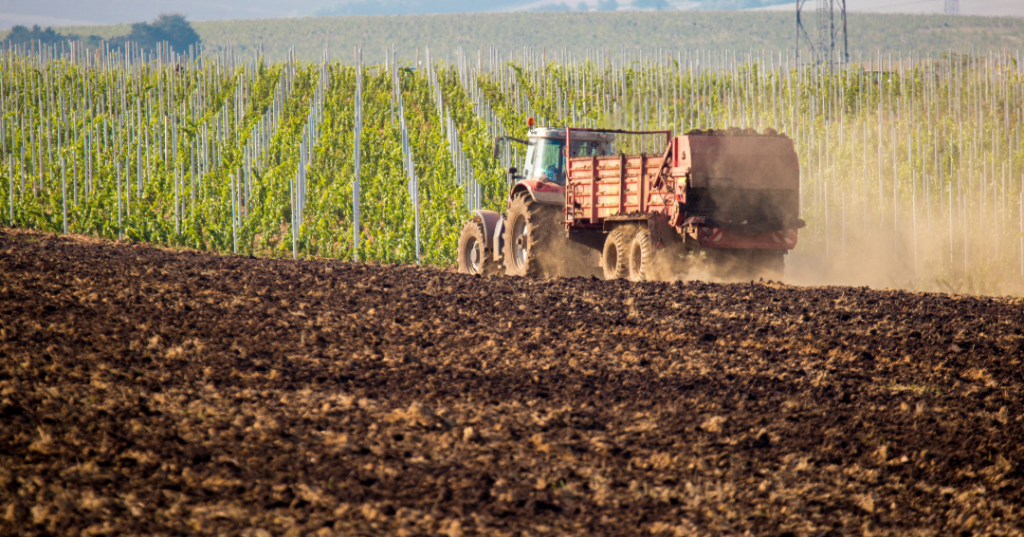
- Organic Matter: By incorporating organic matter, a fertile foundation for grapevines is created, promoting their overall health.
- Composting: This practice recycles vineyard waste, which in turn improves soil structure and water retention.
- Green Manure: Adding organic matter to enrich the soil is another essential method.
2. Soil Management:
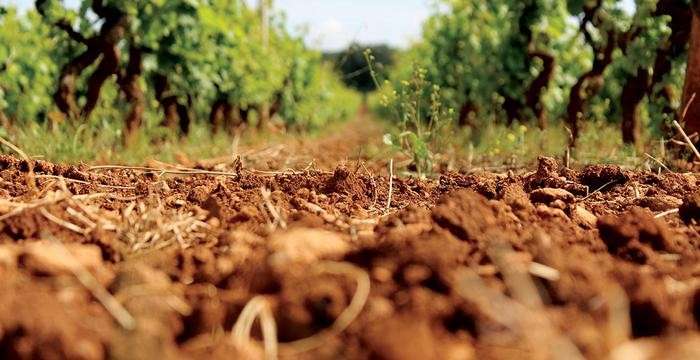
Moving on to soil management, maintaining healthy soil is fundamental in organic viticulture. This can be achieved through:
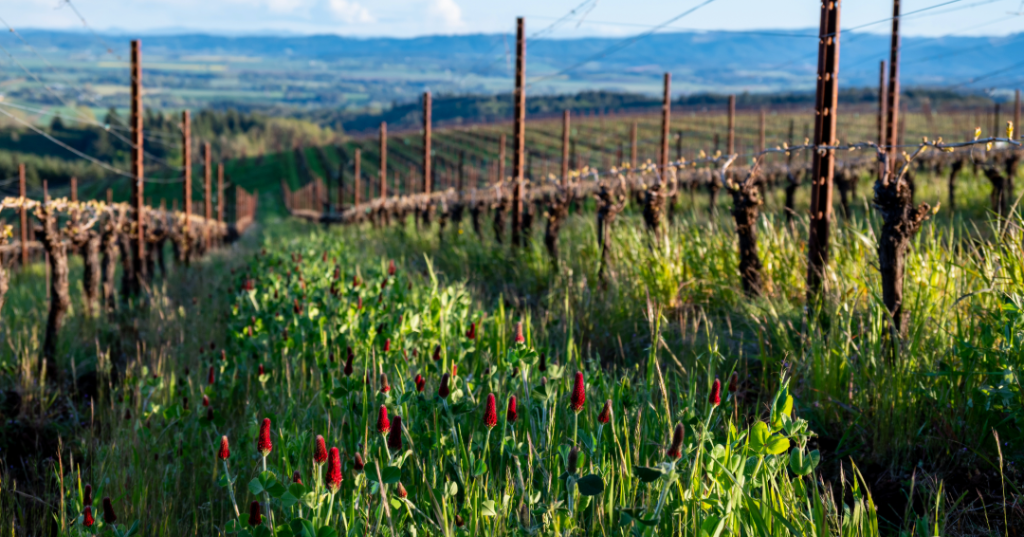
Cover Cropping: Planting legumes, grasses, and flowers between vineyard rows serves several purposes:
- Prevents soil erosion.
- Suppresses weeds.
- Attracts beneficial insects
3. Biodiversity:
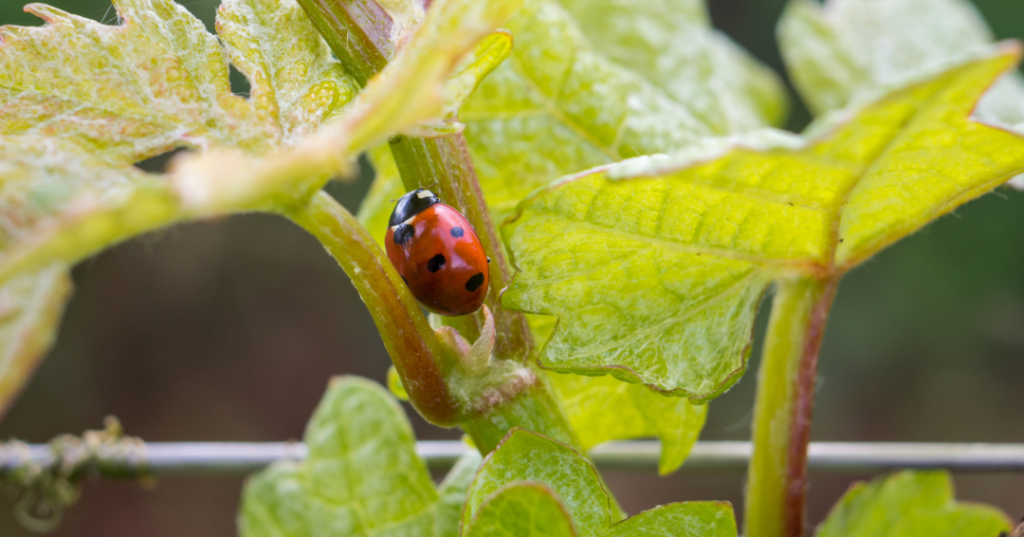
Boosting biodiversity is a essential in organic vineyards because it creates a lively ecosystem. In this ecosystem, helpful bugs and critters can thrive, naturally keeping pests and diseases in check—no harsh chemicals needed! Essential practices include:
- Utilising pheromone traps and natural repellents to deter pests effectively.
- Introducing beneficial insects such as ladybugs and predatory mites.
4. Non-GMO:
Organic grapes must be grown from non-genetically modified organisms (GMO) seeds. The use of GMOs is strictly prohibited in organic farming.

5. Sustainable Practices:
Sustainability is another key aspect of organic viticulture. Important practices include:
- Rainwater Harvesting: This reduces reliance on external water sources and enhances the vineyard’s overall sustainability.
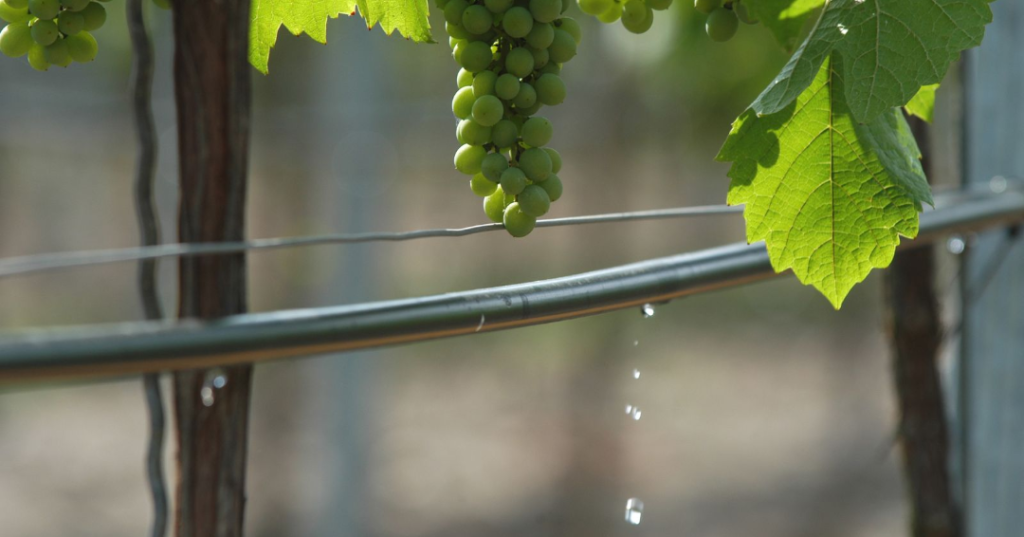
- Water Conservation: Techniques like drip irrigation and mulching are employed to conserve water and maintain soil moisture levels.
6. Certification:
To be recognized as organic, grapes must undergo certification by an accredited organic certification body. This process involves:
- Adhering to the National Standard for Organic and Bio-Dynamic Produce..
- Regular inspections to ensure compliance.