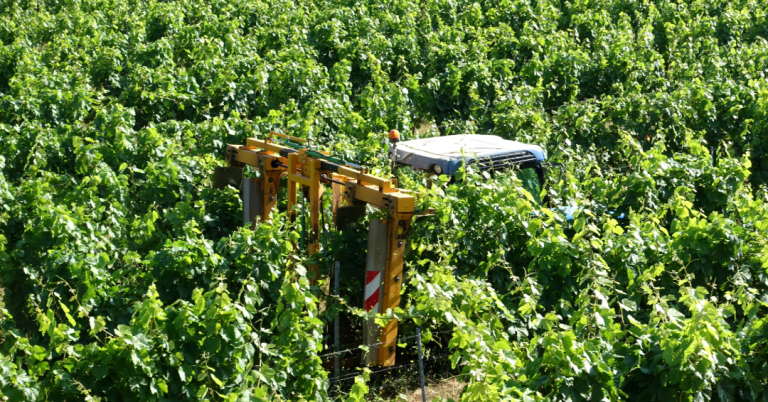
Sustainable viticulture is becoming more and more significant in Australia, driven by the growing awareness of environmental impact and the need for long-term agricultural viability. Australian vineyards are not only safeguarding the environment but also enhancing the quality of their wines with organic viticulture. Here are some key benefits of sustainable practices in viticulture:
1. Looking after the environment
One of the biggest benefits of sustainable viticulture is its positive impact on the environment. Traditional winemaking often involves using a lot of chemical fertilisers, pesticides, and herbicides, which can harm the soil, water, and local wildlife. Sustainable practices, on the other hand, focus on reducing chemical use and promoting organic alternatives. This helps keep the soil healthy, the water clean, and the local ecosystems thriving.
2. Better water management
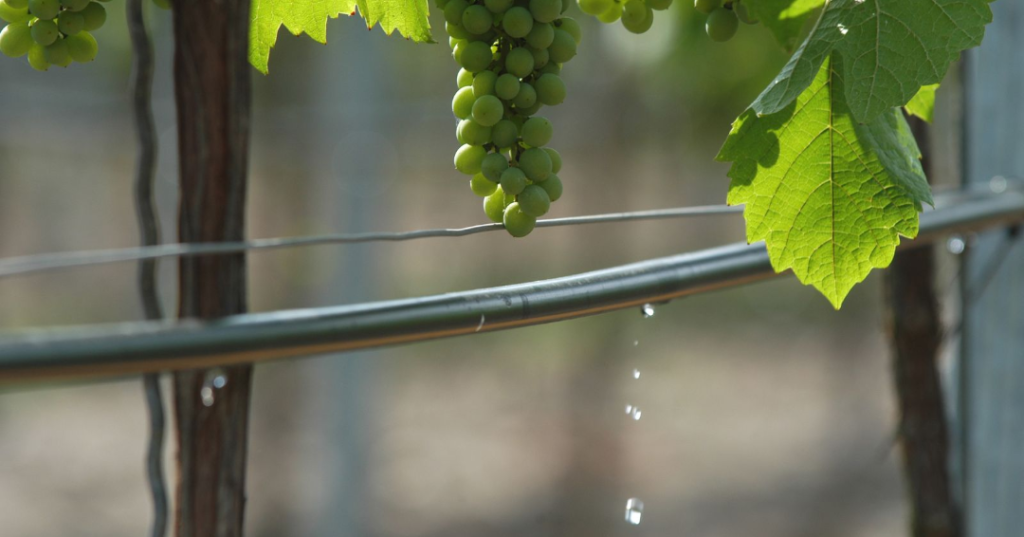
Australia’s climate can make water a precious resource, especially for vineyards. Sustainable water management practices are essential for conserving water. Techniques like drip irrigation, which delivers water directly to the plant roots, use much less water than traditional methods. Additionally, collecting rainwater and using reclaimed water can further reduce the strain on local water supplies. Efficient water management not only helps keep the vineyards healthy but also supports broader environmental sustainability goals.
3. Enhanced wine quality
Delicious wine that’s kind to the environment? Sign us up! Perhaps one of our favourite benefits is the enhancement on the quality of wines. Vines nurtured through sustainable methods often produce grapes with richer flavors and greater resistance to pests and diseases. Practices like biodynamic farming, which treats the vineyard as an interconnected ecosystem, can improve soil health and therefore, grape quality. More and more, consumers are looking for wines made with environmental care, and sustainable practices can give wineries a unique selling point.

4. Economic Viability
While switching to sustainable practices can be expensive at first, the long-term economic benefits are significant. Reducing the use of chemicals lowers production costs, and healthier vineyards can produce higher yields and better-quality grapes. Plus, as the demand for sustainably produced wine grows, vineyards can charge higher prices. Certifications like organic or biodynamic can further boost a winery’s market appeal. Find out what constitutes organic grapes in Australia here.

5. Social Responsibility
Adopting sustainable practices reflects a vineyard’s commitment to social responsibility. By prioritising the environment and the well-being of future generations, wineries demonstrate their dedication to ethical business practices. This can enhance brand reputation and foster loyalty among environmentally conscious consumers.

6. Resilience to Climate Change
Climate change is a major challenge for viticulture worldwide. Sustainable practices can help vineyards become more resilient to changing weather patterns. Diversifying grape varieties, implementing water-saving techniques, and maintaining healthy soils are all strategies that can help mitigate the effects of climate change. By preparing for these challenges, Australian vineyards can ensure their long-term survival.