Let's clear something up. Orange wine isn’t named after the flavour... it’s named purely after the colour... shocking I know!
So, what is orange wine?
Think of orange wine as rosé’s trend-setting sibling.
Rosé had its well deserved moment in the spotlight (and still does, we love her). But orange wine brings something a little different to the table: fun, flavour, a bit of texture, and that ‘ooh, what’s that?’ factor.
It’s not a new concept, just a different style.
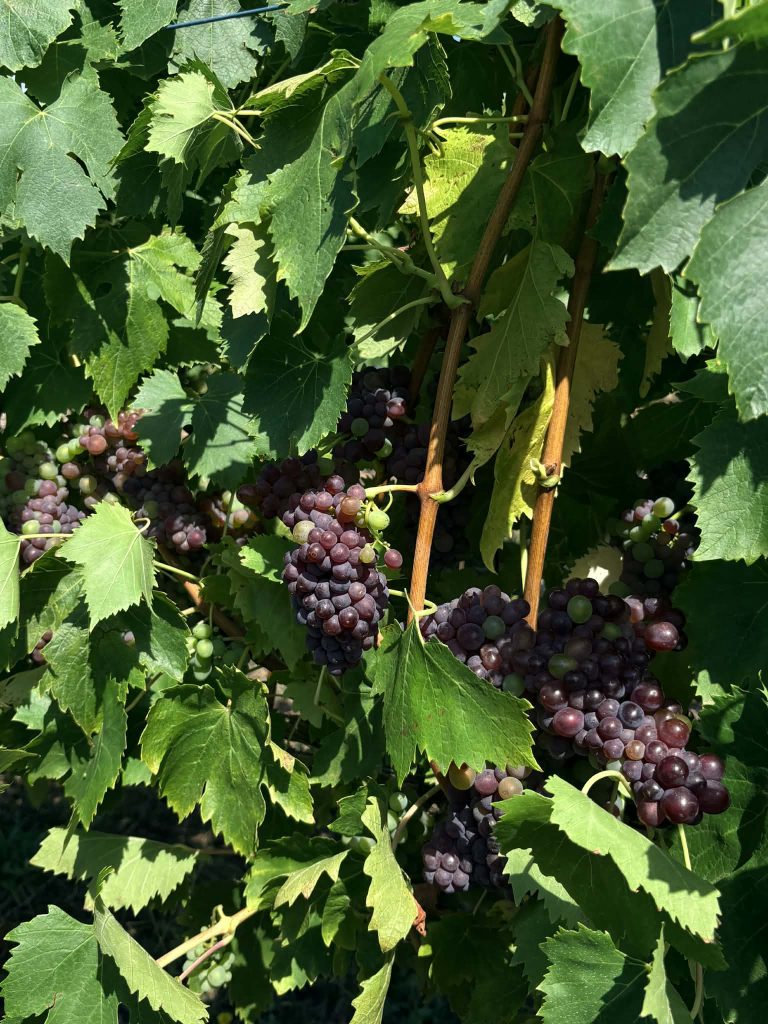
Basically, orange wine is white wine that’s been left to ferment with the grape skins still on.
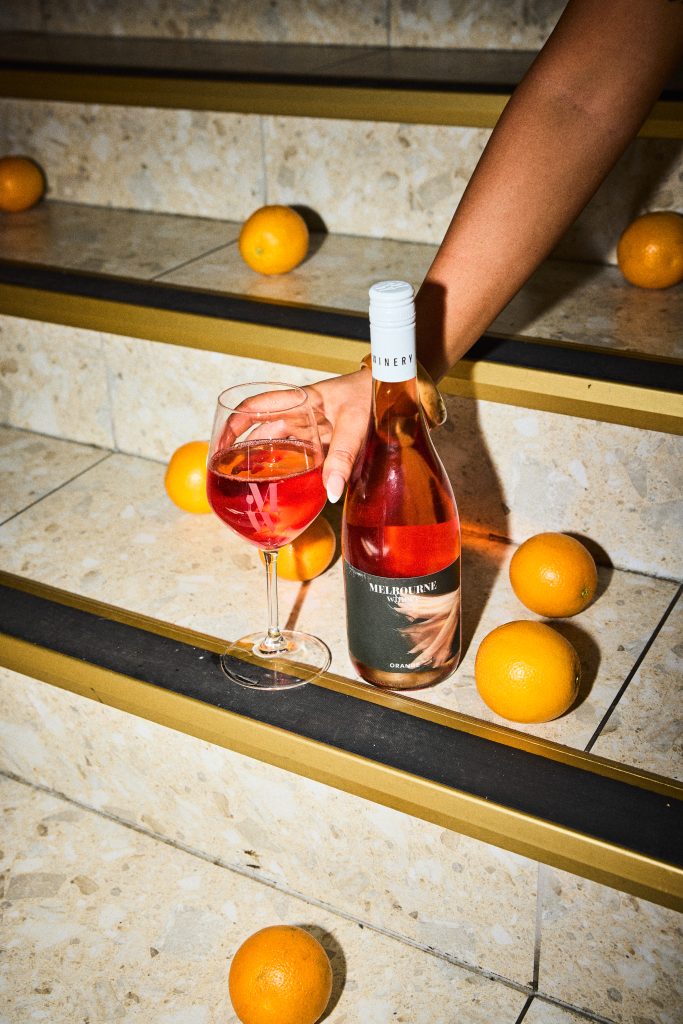
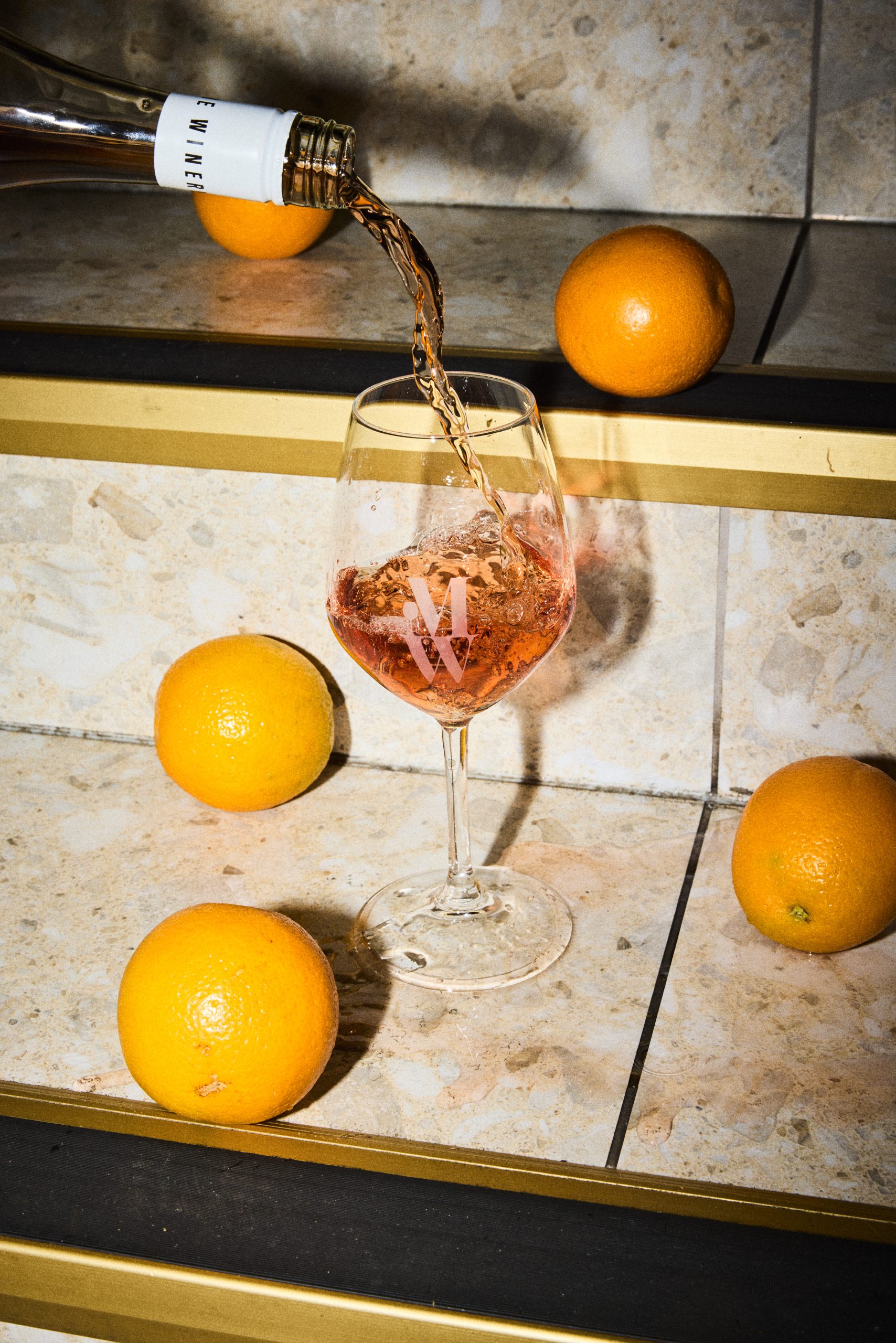
That skin contact adds colour, dimension and a bit more personality. No oranges. No citrus. No infusion of Aperol energy. Just grapes doing cool grape things.
The result? A wine that looks like summer and tastes like the fun friend who’s always up for a long lunch.
But what does it taste like?
Orange wine sits in its own little world. It’s not a white, not a rosé, not a red… it’s the middle child (minus the neglect).
Our orange wine brings a whole mix of bright, summery flavours to the surface. Think apricot, apple, pear, lychee, grapefruit, even guava.
Yes, it sounds like the tasting notes on a cocktail list, but somehow it just… works.
The texture is where it really shows off. You get that soft grip from the skin contact that makes it feel fuller, juicier, and way more interesting than your standard savvy b.
Why is it suddenly everywhere
Honestly, we probably have the whole ‘Euro wine bar aesthetic’ to thank for this. Even though orange wine isn’t new at all, the moment it started popping up in cute bars in europe, gen z were onto it.
Gen Z is in their ‘try something new’ phase, if it looks cool, tastes interesting, and isn’t what their older siblings were drinking in 2014, they’re in. Orange wine ticks every box: it’s a little unexpected, looks amazing in a glass, and feels like the fun alternative.
So no, orange wine didn’t just appear out of nowhere, people just finally made it look cool enough for everyone to notice.